



You notice them on the sunny side of the house first. A scatter of black and orange bugs on the siding in the afternoon, maybe a few dozen on a warm October day, then more every time the sun comes out. Boxelder bugs do this every fall in New Jersey, soaking up heat on a warm wall and looking for a crack to slip behind before winter. For most of the year they live quietly in the trees. The shift to cold weather is what turns boxelder bugs into a problem homeowners actually see.
What Boxelder Bugs Are
Boxelder bugs take their name from the boxelder tree, where they feed on seeds and leaves through spring and summer. Spotting one is easy: about half an inch long, dark bodied, with three orange lines behind the head and a bright edge along the folded wings. The young ones look smaller and more solid red. Boxelder bugs do not bite, sting, or breed inside your home, and nothing about them threatens the structure of the house. For most of the year you would never give them a second thought. Their numbers build quietly on female boxelder and maple trees over the summer, and a warm, dry stretch usually means a bigger crowd come fall.
Why They Cluster on Homes in Fall
When the nights turn cold, boxelder bugs leave the trees and head for the warmest surface around. In our area that means the south or west-facing wall of a house. It soaks up afternoon sun and holds the heat well into the evening, and the bugs pack onto that warm siding by the dozens. From there they work along the wall looking for a way inside, through a torn screen or a gap under the roof trim. Older homes and houses near mature trees see the heaviest numbers, since the bugs feed nearby all summer before the weather pushes them toward shelter. Boxelder bugs follow the same fall routine as stink bugs moving into NJ homes, and the way you keep both out is nearly identical.
Are Boxelder Bugs Dangerous?
The honest answer is no, not to you and not to your house. Boxelder bugs carry no disease. They will not chew wood or wiring, and they do not multiply inside your walls the way some pests do. The trouble they cause is mess. When one feels threatened or gets crushed, it releases a foul-smelling chemical, and that same fluid can leave a yellow-orange stain on curtains, painted walls, and light-colored furniture. Squash a handful against a wall and you can end up with marks that are hard to scrub out. A curious dog or cat may snap one up, and while a bug or two rarely causes more than mild drooling or a brief upset stomach, it is one more reason not to let the numbers build indoors. In large numbers they wear on your patience, turning up on windowsills and around light fixtures long after you thought the season was over.
How to Get Rid of Boxelder Bugs
Getting rid of boxelder bugs works best in two parts, clearing out the ones inside and shutting down the way in for the rest. For the bugs already in the house, skip the paper towel. Vacuuming them up is smarter, because crushing them is what causes the stain and the smell. A shop vacuum with a bag you can throw straight out works well and keeps you from grinding that fluid into a surface. A few steps cut the indoor numbers fast:
- Vacuum clusters off windowsills and corners instead of squashing them
- Gaps around windows, doors, and the spots where pipes and wires enter the wall need sealing before it turns cold
- Torn screens and worn weather stripping should be replaced ahead of the first hard frost
- On warm evenings the bugs crowd lit walls, so leaving exterior lights off helps
Indoor cleanup only handles the bugs you can see. The group behind the siding keeps trickling in, and no amount of vacuuming reaches them. The real fix happens outside.
How We Keep Boxelder Bugs Out
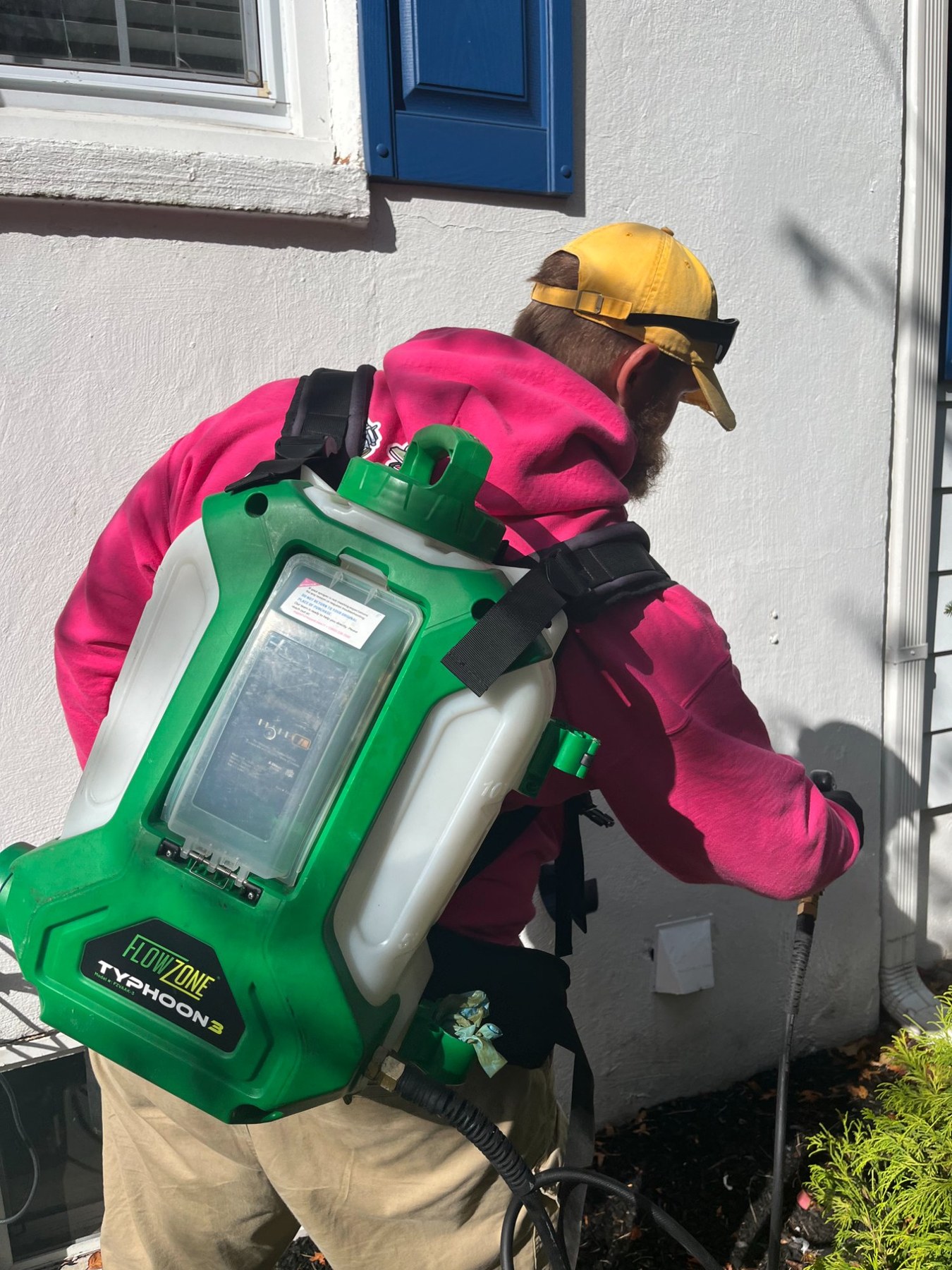
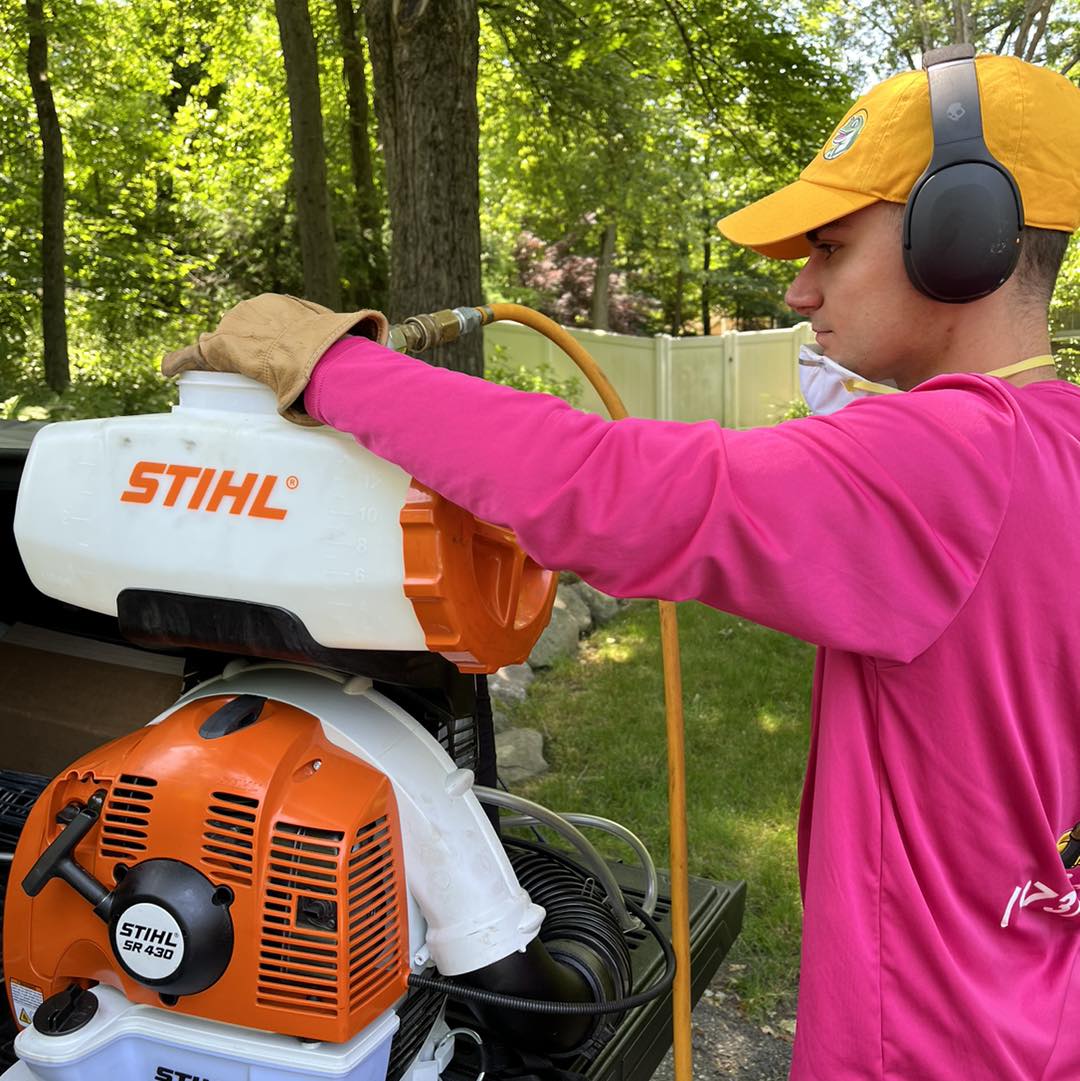
Our approach stops the bugs before they ever reach your walls. In late summer and early fall we apply an exterior barrier treatment to the siding and foundation, concentrating on the sunny walls and roofline where boxelder bugs gather. Timing is everything with this. Put down before the bugs mass on the house, the barrier gives them a treated zone to cross and drops the numbers well before they find a gap. We pair the spray with sealing the entry points most DIY efforts miss, and we lean on low-toxicity products, since these treatments go on the outside of a home where kids and pets spend time. The work folds into our year-round pest control program, so the same visit that handles boxelder bugs keeps other fall invaders out too. If they show up again before your next scheduled service, we come back at no extra charge, and nothing locks you into a contract before you have seen how the treatment holds up.
Call Before They Settle In for Winter
Boxelder bugs do not leave on their own. The ones that get inside this fall are the same ones you will find waking up on your windowsills come March, and by then the bugs are tucked deep in the walls where no spray can reach them. Catch boxelder bugs while they gather on the sunny side of your house now, before the cold drives them behind the siding, and you head off a problem that otherwise stretches from October into spring. The window to treat the outside closes a little more with each cold night. Call us at (973) 800-5931 for a free inspection. We will take a look and give you a straight answer at no cost, and there is no pressure if you would rather seal things up yourself first.
We serve homeowners throughout:
- Bergen County
- Passaic County
- Morris County
- Sussex County
Free inspections. No long-term contracts. If they come back, so do we.
Ready to stop boxelder bugs before they slip behind the siding? Call Pops Pest Control at (973) 800-5931 for a free inspection. There's no charge to come take a look, and no pressure if you'd rather seal things up yourself first.
Book Your Free Boxelder Bug Inspection